Overview
Embark on a captivating journey through two culturally rich nations—India and Nepal.
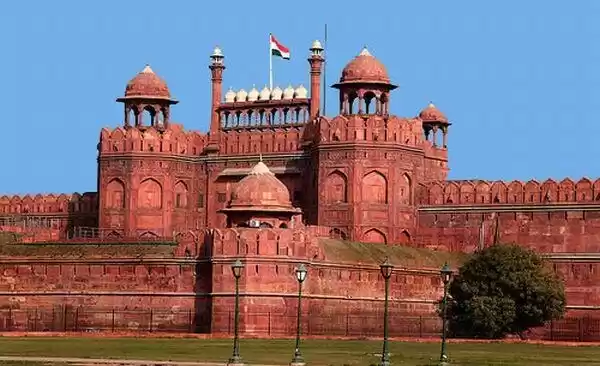
This 12-day tour begins with India's famous Golden Triangle, exploring Delhi, Agra, and Jaipur, each filled with grand palaces, forts, and timeless heritage.
In Delhi, witness the blend of ancient Mughal charm and modern city life.
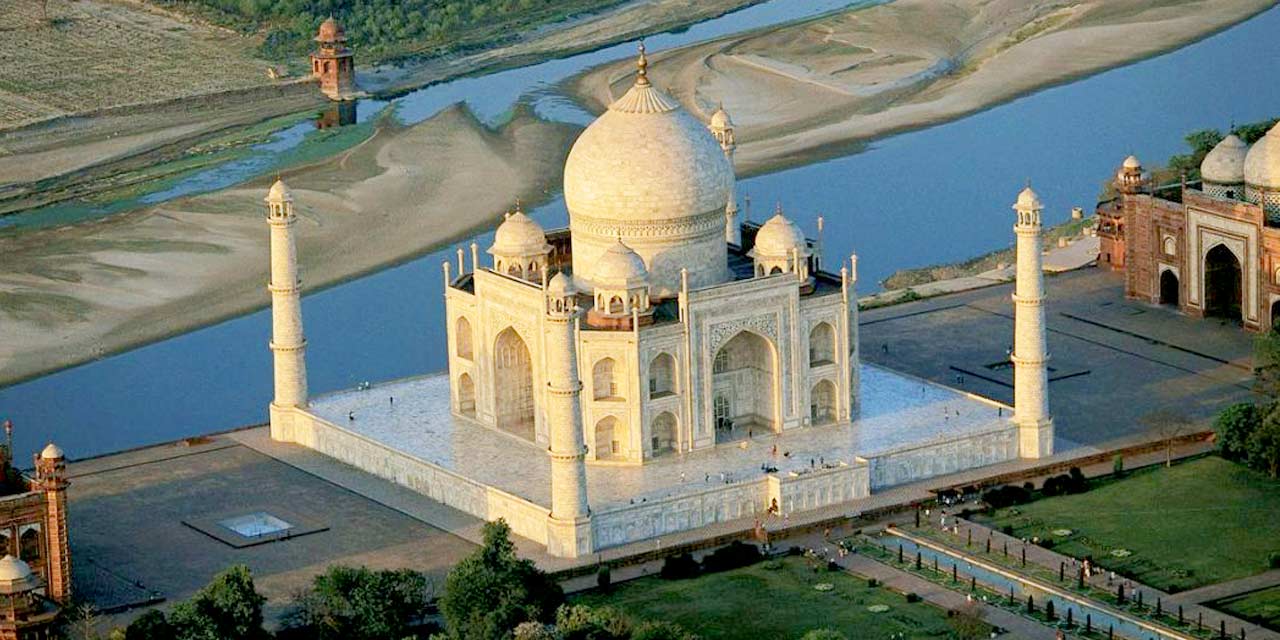
Visit the Taj Mahal at sunrise in Agra, a timeless symbol of love and architectural wonder.
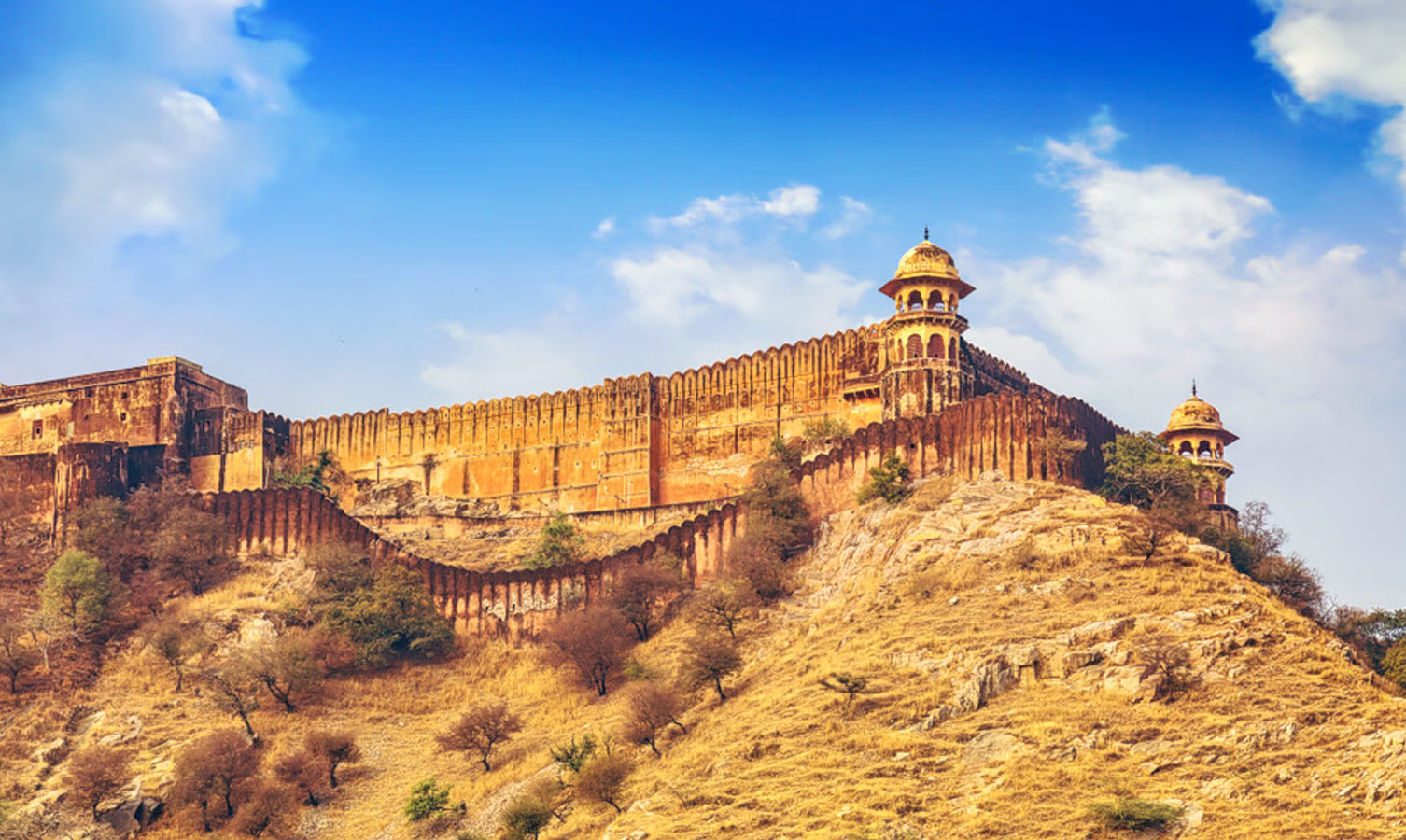
Experience the royal elegance of Jaipur, known as the Pink City, with its forts, palaces, and vibrant bazaars.
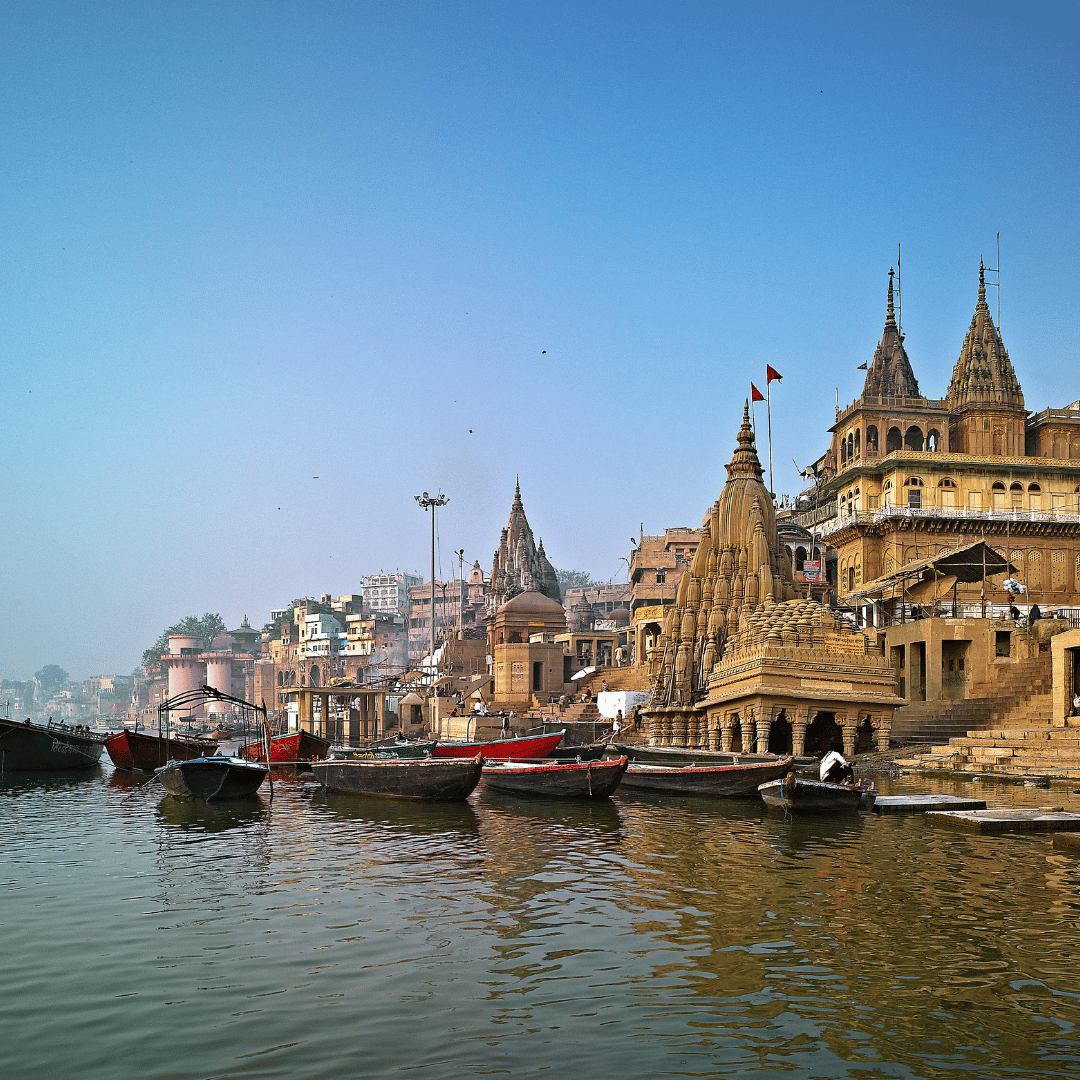
Travel onward to Varanasi, India’s spiritual heart, for a boat ride on the Ganges and the mesmerizing evening Ganga Aarti.
Then fly to Kathmandu, Nepal’s serene capital nestled in the Himalayan foothills.
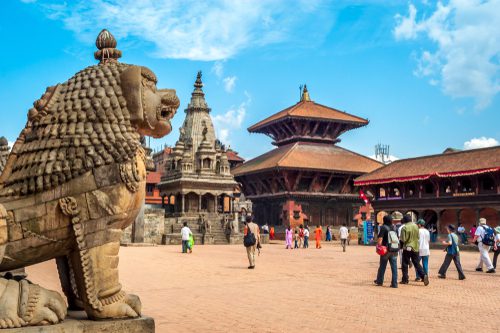
Explore Nepal’s ancient temples, sacred stupas, and UNESCO-listed royal squares in Patan and Bhaktapur.
From the vibrant streets of Delhi to the peaceful temples of Kathmandu, this tour offers a perfect mix of history, culture, and spirituality.
Ideal for first-time visitors seeking both royal India and mystical Nepal in one seamless experience.
Tour Info
Golden Triangle & Nepal Tour – 11 Nights / 12 Days
Destinations Covered: Delhi · Agra · Jaipur · Varanasi · Kathmandu
Tour Type: Private & Customizable | Cultural | Historical | Spiritual
Best Time to Visit: October to April
Tour Highlights
Taj Mahal sunrise & Ganges boat ride at dawn
Heritage sites in Delhi, Jaipur, and Kathmandu
Spiritual immersion in Varanasi & Sarnath
Himalayan culture and Buddhist stupas in Nepal
Private guides and flexible scheduling throughout
Tour Overview
Explore the soul of India and Nepal on this incredible 12-day journey, blending royal palaces, Mughal wonders, sacred temples, and Himalayan serenity. Start with India’s famed Golden Triangle—Delhi, Agra, and Jaipur—before witnessing the spiritual aura of Varanasi, the city of salvation. Then fly to Kathmandu, Nepal’s historic capital, nestled in the Himalayas, rich in Buddhist and Hindu heritage.
Itinerary
Day
1: Arrival in Delhi (India)- Airport pickup and hotel check-in
- Optional evening drive past India Gate & Connaught Place
- Overnight in Delhi
Day
2: Explore Delhi- Visit Jama Masjid, Raj Ghat, Qutub Minar, Humayun’s Tomb, India
Gate
- Drive past Parliament House and Presidential Palace
- Overnight in Delhi
Day
3: Delhi – Agra (by road, 210 km / 4 hrs)- Drive to Agra
- Visit Agra Fort and Mehtab Bagh (sunset Taj Mahal view)
- Overnight in Agra
Day
4: Agra – Jaipur via Fatehpur Sikri- Sunrise visit to the Taj Mahal
- Drive to Jaipur via Fatehpur Sikri (UNESCO site)
- Overnight in Jaipur
Day
5: Jaipur Sightseeing- Visit Amber Fort, Hawa Mahal, City Palace, and Jantar Mantar
- Optional: Local markets and Rajasthani cultural dinner
- Overnight in Jaipur
Day
6: Jaipur – Delhi – Varanasi (by flight/train)- Drive or fly back to Delhi
- Travel to Varanasi (flight or overnight train)
- Overnight in Varanasi
Day
7: Varanasi Spiritual Tour- Early morning boat ride on the Ganges River
- Visit Kashi Vishwanath Temple, Sarnath (Buddhist site), and local
ghats
- Witness Ganga Aarti at Dashashwamedh Ghat
- Overnight in Varanasi
Day
8: Varanasi – Kathmandu (by flight)- Fly to Kathmandu, Nepal (visa on arrival for most nationals)
- Transfer to hotel, evening at leisure
- Overnight in Kathmandu
Day
9: Kathmandu City Tour- Visit Pashupatinath Temple (Hindu), Boudhanath & Swayambhunath
Stupas (Buddhist)
- Explore Durbar Square and Thamel Market
- Overnight in Kathmandu
Day
10: Patan & Bhaktapur Excursion- Guided tour of Patan and Bhaktapur – medieval cities full of
temples, art, and tradition
- Optional: Mount Everest scenic flight (morning)
- Overnight in Kathmandu
Day
11: Leisure Day in Kathmandu- Optional visits: Garden of Dreams, Nagarkot sunset, or wellness spa
- Shopping for handicrafts or thanka paintings
- Overnight in Kathmandu
Day
12: Departure from Kathmandu- Transfer to airport for onward flight
- Tour ends with unforgettable memories
Inclusions & Exclusions
✅ Inclusions
- 11 nights hotel accommodation with breakfast
- All airport transfers & ground transport in private AC vehicle
- Monument entrance fees (India & Nepal)
- Local English-speaking guides in each city
- Domestic flights: Delhi–Varanasi, Varanasi–Kathmandu
- Boat ride in Varanasi, elephant/jeep ride at Amber Fort
- Government taxes and tolls
❌ Exclusions
- International flights (to/from India & Nepal)
- Travel Insurance, Visa fees for India & Nepal
- Lunches, dinners, personal expenses
- Tipping for driver and guides
- Camera/video charges at monuments
Tour Policy
Travel
Info
India e-Tourist Visa: Apply online for most
nationalities
Nepal Visa: On arrival at Kathmandu airport
Health precautions: Recommended vaccines – Typhoid, Hepatitis A, Tetanus
Currency: INR in India; NPR in Nepal (ATMs widely available) E-Visa Information HISPANO INDIA TRAVELS
Entering India by air or land is relatively straightforward, with standard immigration and customs procedures. A previously frustrating law barring re-entry into India within two months of the previous date of departure has been done away with (except for citizens of some Asian countries), thus allowing most travelers to combine their India tour with side trips to neighboring countries.
PASSPORTS
To enter India you need a valid passport and an onward/return ticket, and a visa. Note that your passport needs to be valid for at least 180 days after your entry into India, and should have at least two blank pages. If your passport is lost or stolen, immediately contact your country’s representative. Keep digital photos or photocopies of your airline ticket and the identity and visa pages of your passport in case of emergency.
VISA
Required for most visitors; e-Visa (valid 60 days) available for more than 150 nationalities. Longer trips require a standard six-month tourist visa.
FURTHER INFORMATION
Apart from citizens of Nepal, Bhutan and the Maldives, who don't need visas for India unless they are arriving from mainland China, and citizens of Japan and South Korea, who can obtain a visa on arrival, everyone needs to apply for a visa before arriving in India. However, more than 150 nationalities can obtain the wonderfully hassle-free 60-day e-Visa.
There's also a six-month tourist visa, which is valid from the date of issue, not the date of arrival in India.
E-VISA
· Citizens from more than 150 countries can apply for an e-Visa (www.indianvisaonline.gov.in/evisa).
· You must apply a minimum of four days and a maximum of 120 days before you are due to arrive in India.
· The visa will be valid from your date of arrival in India.
· It's a double-entry visa that lasts for 60 days from your first date of entry.
· To apply, upload a photograph as well as a copy of your passport; have at least 180 days' validity in your passport and at least two blank pages.
· If your application is approved, you will receive an attachment to an email within 72 hours (though normally much sooner), which you'll need to print out and take with you to the airport. You'll then have the e-Visa stamped into your passport on arrival in India.
· Note that the e-Visa is also sometimes referred to as a 'visa on arrival', though you need to apply for it before you arrive.
· E-Visas are only valid for entry through 26 designated airports: Ahmedabad, Amritsar, Bag Dogra, Bengaluru (Bangalore), Chennai, Chandigarh, Coimbatore, Delhi, Gaya, Goa, Guwahati, Hyderabad, Jaipur, Kochi (Cochin), Kolkata, Kozhikode (Calicut), Lucknow, Madurai, Mangalore (Mangalore), Mumbai, Nagpur, Pune, Trichy (Tiruchirappalli), Thiruvananthapuram (Trivandrum), Varanasi and Visakhapatnam.
· They are also valid for arrival at five designated seaports: Kochi, Goa, Mangalore, Mumbai and Chennai.
· E-Visa holders can, however, leave India from any authorized immigration checkpoint.
ENTRY REQUIREMENTS
Visas are available at Indian missions worldwide, though in many countries applications are processed by a separate private company.
· Student and business visas have strict conditions (consult your Indian embassy for details).
· A standard 180-day tourist visa permits multiple entry for most nationalities.
· The 60-day e-Visa is usually a double-entry visa.
· Five- and 10-year tourist visas are available to US citizens only under a bilateral arrangement; however, you can still only stay in the country for up to 180 days continuously.
· Currently you are required to submit two digital photographs with your visa application (format jpeg 10kb–300kb), though only one for the e-Visa.
· An onward-travel ticket is a requirement for some visas, but this isn’t always enforced (check in advance).
· Visas are priced in the local currency and may have an added service fee.
· Extended visas are possible for those of Indian origin (excluding those in Pakistan and Bangladesh) who hold a non-Indian passport and live abroad.
· If you need to register your visa (for stays of more than 180 days), or need a visa extension (only granted in exceptional cases) or a replacement for a lost passport (required before you can leave the country), then you should apply online at https://indianfrro.gov.in/eservices/home.jsp.
· If you need to see someone in person about your visa issue, then you should do so at the Foreigners’ Regional Registration Office in Delhi.
· Check with the Indian embassy in your home country for any special conditions that may exist for your nationality.
RE-ENTRY REQUIREMENTS
The previous rule of no re-entry on the same visa for two months after leaving India no longer applies to foreign nationals (except nationals of Afghanistan, China, Iran, Pakistan, Iraq, Sudan and Bangladesh, foreigners of Pakistani and Bangladeshi origin, and stateless persons). E-Visas can now be used for double entry into India.
VISA EXTENSION
India is extremely stringent with visa extensions. At the time of writing, the government was granting extensions only in circumstances such as medical emergencies or theft of passport just before the applicant planned to leave the country (at the end of their visa).
If you do need to extend your visa due to any such exigency, you should first apply online at e-FRRO (https://indianfrro.gov.in/eservices/home.jsp), which also deals with replacements for lost/stolen passports (required before you can leave the country). If you need to see someone in person, or are called in for an interview, the place to go is the Foreigners’ Regional Registration Office in Delhi. There are also some regional FRROs, but these are even less likely to grant an extension.
Assuming you meet the stringent criteria, the FRRO is permitted to issue an extension of 14 days (free for nationals of most countries; enquire on application). You must bring one passport photo (take more, just in case), your passport (or emergency travel document, if your passport is missing), and a letter from the hospital where you're having treatment if it's a medical emergency. Note that this system is designed to get you out of the country promptly with the correct official stamps, not to give you two extra weeks of travel and leisure.
TRAVEL PERMITS
Access to certain parts of India – particularly disputed border areas – is controlled by a system of permits that applies mostly to foreigners but also to Indian citizens in some areas.
Permits are required to visit Arunachal Pradesh, Sikkim and certain parts of Himachal Pradesh, Ladakh and Uttarakhand that lie close to the disputed border with China/Tibet. A permit is also necessary for travel to the Lakshadweep Islands and to some parts of the Andaman Islands.
In Odisha, permission is no longer required to visit tribal regions, and there’s nothing to stop tourists from taking a bus or taxi to visit regional markets, but some villages are off limits to visitors (due to potential Maoist activity), so seek local advice before setting out.